


2025-12-30 Views:100
In modern industrial production, especially in automated production processes, various sensors are used to monitor and control various parameters in the production process, so that the equipment works in normal or optimal state, and the products achieve the best quality. The Chinese sensor market has been continuously growing in recent years, with a growth rate of over 15%. In 2012, the four major fields of sensor applications in China were industrial control, automotive electronics, communication electronics, and consumer electronics.
With the advent of the information age, sensors have become the main way and means for people to obtain information in the fields of nature and production. In modern industrial production, especially in automated production processes, various sensors are used to monitor and control various parameters in the production process, so that the equipment works in a normal state and the products achieve the best quality; In basic discipline research, sensors have a more prominent position.
Nowadays, sensors have already penetrated into a wide range of fields such as industrial production, space development, ocean exploration, environmental protection, resource investigation, medical diagnosis, biotechnology, and even cultural relic protection. It can be seen that the important role of sensor technology in developing the economy and promoting social progress is very obvious. Statistics show that the annual revenue of the global smart sensor market will increase at a rate of 10% per year, reaching 6.9 billion US dollars by 2018. At present, there are 65 million sensor devices installed with processors worldwide, and this number will reach 2.8 trillion by 2019.
Sensors are fundamental products in the electronic information equipment manufacturing industry and are special components in the newly developed electronic components. The sensor industry, recognized as a high-tech industry with promising development prospects both domestically and internationally, has attracted worldwide attention for its high technological content, good economic benefits, strong penetration ability, and broad market prospects. Driven by the booming electronic information industry market, China's sensors have formed a certain industrial foundation and made significant progress in technological innovation, independent research and development, achievement transformation, and competitiveness, making important contributions to promoting the development of the national economy.
The Chinese sensor market has been continuously growing in recent years, with a growth rate exceeding 15%. In 2012, the four major fields of sensor applications in China were industrial control, automotive electronics, communication electronics, and consumer electronics, with industrial and automotive electronics products accounting for about 42% of the market share. From January to March 2012, driven by the development of the Internet of Things industry, the size of China's sensor market reached 17.21 billion yuan, a year-on-year increase of 23.3%. According to data from the National Bureau of Statistics, from January to March 2012, China produced a total of 1.17 billion sensors of various types, a year-on-year increase of 13.7. In terms of imports and exports, according to data from the General Administration of Customs, as of March 2012, the import value increased by about 40% year-on-year; The export situation is not optimistic, and the slowdown in China's export growth rate is almost reflected in all export markets (except for South Korea), with a particularly significant decline in exports to Europe, among which the export growth rate to the European Union is low.
Looking back at the development of China's sensitive components and sensor industry, although it has been rapid, there are also some shortcomings, such as low product technology level, weak industrial foundation, lack of product types, and weak R&D capabilities of enterprises. Therefore, the country is gradually formulating policies that are conducive to the development of the sensor industry. In addition, the continuous emergence of emerging technologies has also become a favorable factor for the development of the sensor industry. With the development and application of new sensors in fields such as the Internet of Things and low-carbon economy, the sensor industry will occupy a more important position and play a greater role in the electronic components industry.
In modern industrial production, especially in automated production processes, various sensors are used to monitor and control various parameters in the production process, so that the equipment works in normal or optimal state, and the products achieve the best quality. Therefore, it can be said that without numerous excellent sensors, modern production loses its foundation.
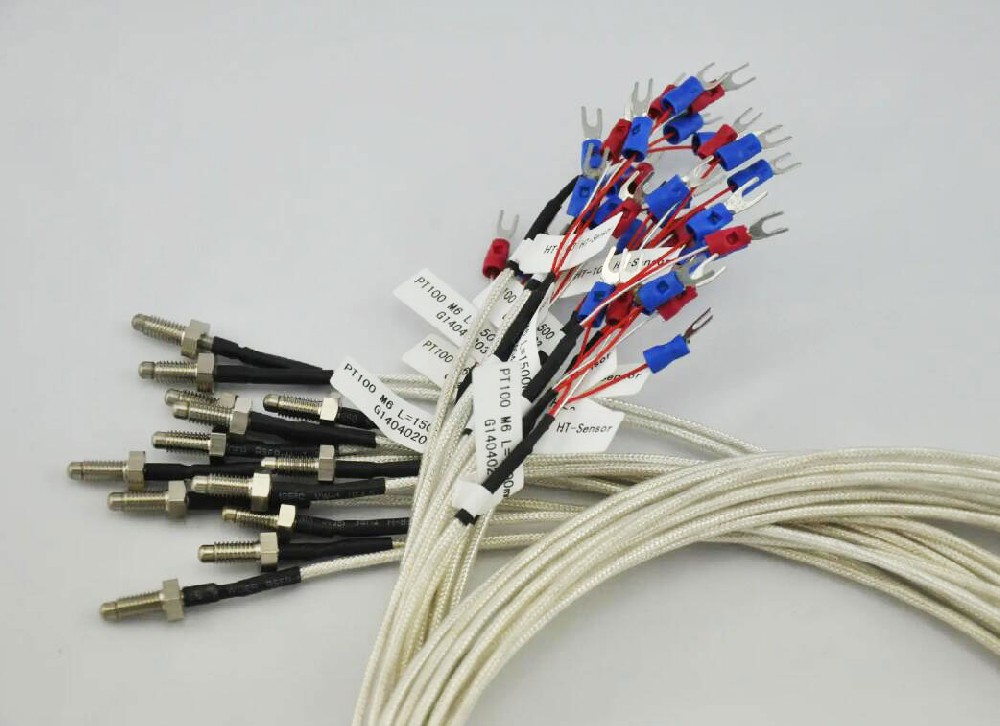
Sensors have important applications in many industries, and now many industries are attempting to open up the use of sensors to achieve automation. The most important application areas of sensors currently involve four major categories: mechanical manufacturing, medical equipment, automotive electronics industry, communication technology, and other fields.
1、 In the field of mechanical manufacturing, sensors applied in the industrial sector, such as process control, industrial machinery, and traditional sensors; Various measurement process variables such as temperature, liquid level, pressure, flow rate, etc; The rapid development of measuring electronic characteristics and physical quantities, as well as traditional proximity/positioning sensors.
2、 In terms of medical equipment, specialized equipment mainly includes professional electronic devices applied in medical, environmental protection, meteorology and other fields. At present, the medical field is an emerging market with huge sales volume and considerable profits of sensors.
3、 In the automotive electronics industry, the key to the electronic control system level of modern luxury cars lies in the number and level of pressure sensors used. Currently, an ordinary family car is equipped with dozens to nearly a hundred sensors, and sensor components are required to develop towards miniaturization, low cost, and high reliability.
4、 In terms of communication, the significant increase in mobile phone production and the continuous addition of new mobile phone functions have brought opportunities and challenges to the sensor market. The market share of color screen phones and camera phones continues to rise, increasing the proportion of sensor applications in this field. In addition, ultrasonic sensors used in group phones and cordless phones, as well as magnetic field sensors used for magnetic storage media, are expected to experience strong growth.

Taobao Mall

Copyright © 2023-2028 Lanchen Technology (Kunshan) Co., Ltd. Technical Support:Guocheng web Sitemap
Unauthorized copying of website content is strictly prohibited. we reserves the right to sue