


2025-12-30 Views:100
In the field of industrial automation, it is crucial to choose gas explosion-proof and dust explosion-proof servo motors. These two variants serve different purposes and have unique features customized for specific environments. Let's delve into the differences between these two types of servo motors to help you make informed decisions for your application.
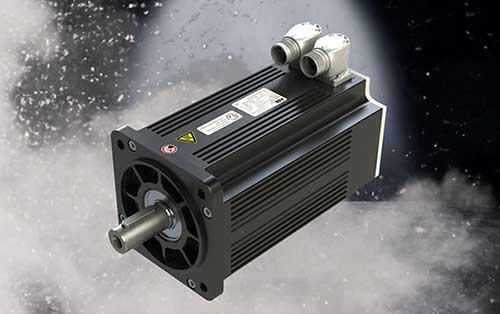
1. Understand basic knowledge
It is crucial to understand the basic principles of gas explosion-proof and dust explosion-proof servo motors before delving into the differences. Although both are designed to operate safely in potentially harmful environments, there are differences in their professional fields.
2. Gas explosion-proof servo motor
The design of gas explosion-proof servo motors aims to operate in atmospheres with combustible gases or vapors. These motors are equipped with specialized casings and structures to prevent explosions caused by sparks or other ignition sources. The focus here is to reduce the risks associated with combustible gases.
3. Dust explosion-proof servo motor
On the other hand, dust explosion-proof servo motors are designed to operate in environments filled with combustible dust. Industries such as woodworking, food processing, and pharmaceuticals often face small particles that may cause explosions. These motors adopt a robust design to mitigate the hazards associated with dusty atmospheres.
4. Structural differences
One of the key differences is the construction of these servo motors. Priority should be given to sealing gas explosion-proof motors to prevent gas from entering, and measures should be taken to prevent gas infiltration. On the contrary, dust explosion-proof motors focus on strengthening sealing mechanisms to prevent dust particles from entering critical components.
5. Certification standards
Certification is crucial when it comes to explosion-proof equipment. Gas explosion-proof servo motors usually comply with standards such as ATEX or IECEx, ensuring compliance with European and international regulations. Dust explosion-proof motors usually meet similar standards, but are customized to address specific challenges caused by combustible dust.
6. Environmental considerations
The choice between these two types of servo motors largely depends on the nature of your working environment. Assess the main risk - the presence of combustible gases or combustible dust particles? Customize your choices based on the specific environmental challenges of your application scenario to ensure optimal performance and security.
7. Maintain demand
Understanding the maintenance requirements of each type is crucial for extending the lifespan of functionality. Gas explosion-proof motors may require regular checks for airtightness, while dust explosion-proof motors may require more frequent cleaning to prevent dust accumulation.
8. Cost impact
Although safety is crucial, considering budget factors is also essential. Gas explosion-proof motors usually involve more complex engineering, which affects the overall cost. Considering budget constraints while assessing specific environmental risks can help make informed decisions.
9. Application Details
The choice depends on the details of your application. Gas explosion-proof servo motors perform well in certain situations, while dust explosion-proof motors are indispensable in other situations. Customize your choices based on the unique requirements of your automation settings to ensure optimal performance and security.
In short, the decision made between gas explosion-proof and dust explosion-proof servo motors is crucial for safe and efficient industrial operations. By understanding the subtle differences of each type and matching them with your specific requirements, you not only ensure compliance, but also pave the way for a seamless and secure automated environment.
Make a wise choice, considering the nature of your workspace and the challenges it presents. Your choice of servo motor today will shape the safety and efficiency of tomorrow's industrial processes.

Taobao Mall

Copyright © 2023-2028 Lanchen Technology (Kunshan) Co., Ltd. Technical Support:Guocheng web Sitemap
Unauthorized copying of website content is strictly prohibited. we reserves the right to sue